Road crossings, conduit, and restoration the owner never calls about.
Underground costs more per foot than aerial and buys you plant that storms do not take down. The two things that blow the budget are strikes and restoration — hitting something that was not located, or leaving a yard the owner complains about for a month.
ConLit bores conservatively, locates before and during, and puts the ground back the way we found it. Restoration is in our scope, not a change order.
Request a Bid
HDD under roads, driveways, and waterways with bore logs recorded on every shot.
Open cut and vibratory plow where the ground and the schedule allow it.
HDPE and innerduct placement, mandrel proofing, and pull tape left in every run.
Setting, grading, and traffic-rated placement where the route calls for it.
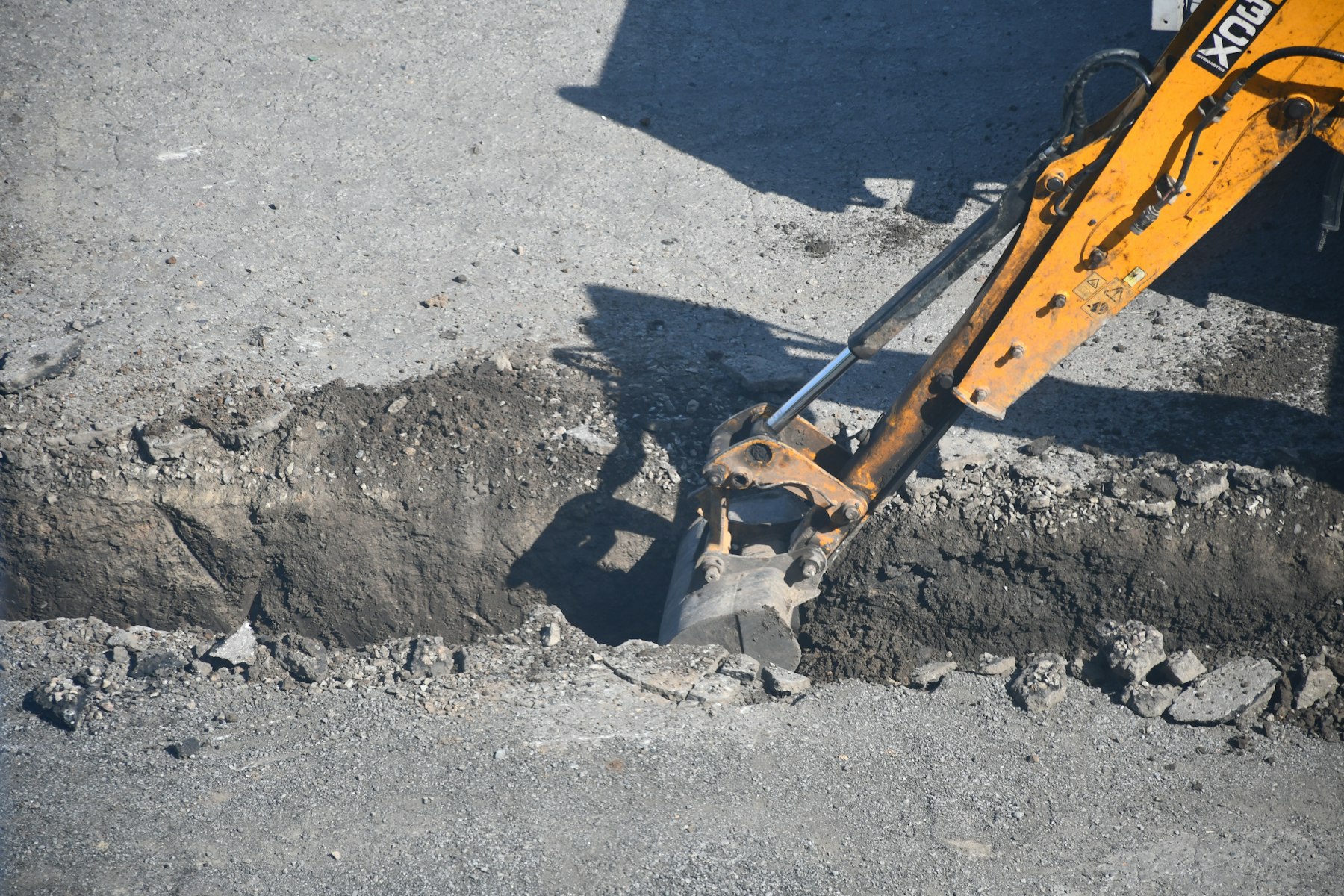
Daylighting existing utilities ahead of the bore instead of trusting the paint.
Asphalt, concrete, sod, and irrigation put back — included, not billed later.
One-call tickets, private locates for anything the utility will not mark, and a bore path designed around what is actually down there.
Anywhere the bore path crosses an unverified utility, we daylight it first. This is the step that prevents strikes.
Pilot shot, ream, and pull back with bore logs recorded — depth and deviation documented on every crossing.
Surface restored, GPS as-built captured, bore logs and test results handed over.
It depends on the road authority, but 36 to 48 inches under the ditch line is typical for a state route. We build to the permit, and the bore log proves what was achieved.
We carry the insurance and we own the repair. That said, the real answer is prevention — tickets, private locates, and potholing anything unverified.
Yes. Subbing restoration out is where most underground jobs go sideways, because the sub is not there when the property owner is upset. We keep it in house.
Route miles, location, timeline. We will come back with a real number and a real schedule — not a range and a maybe.