
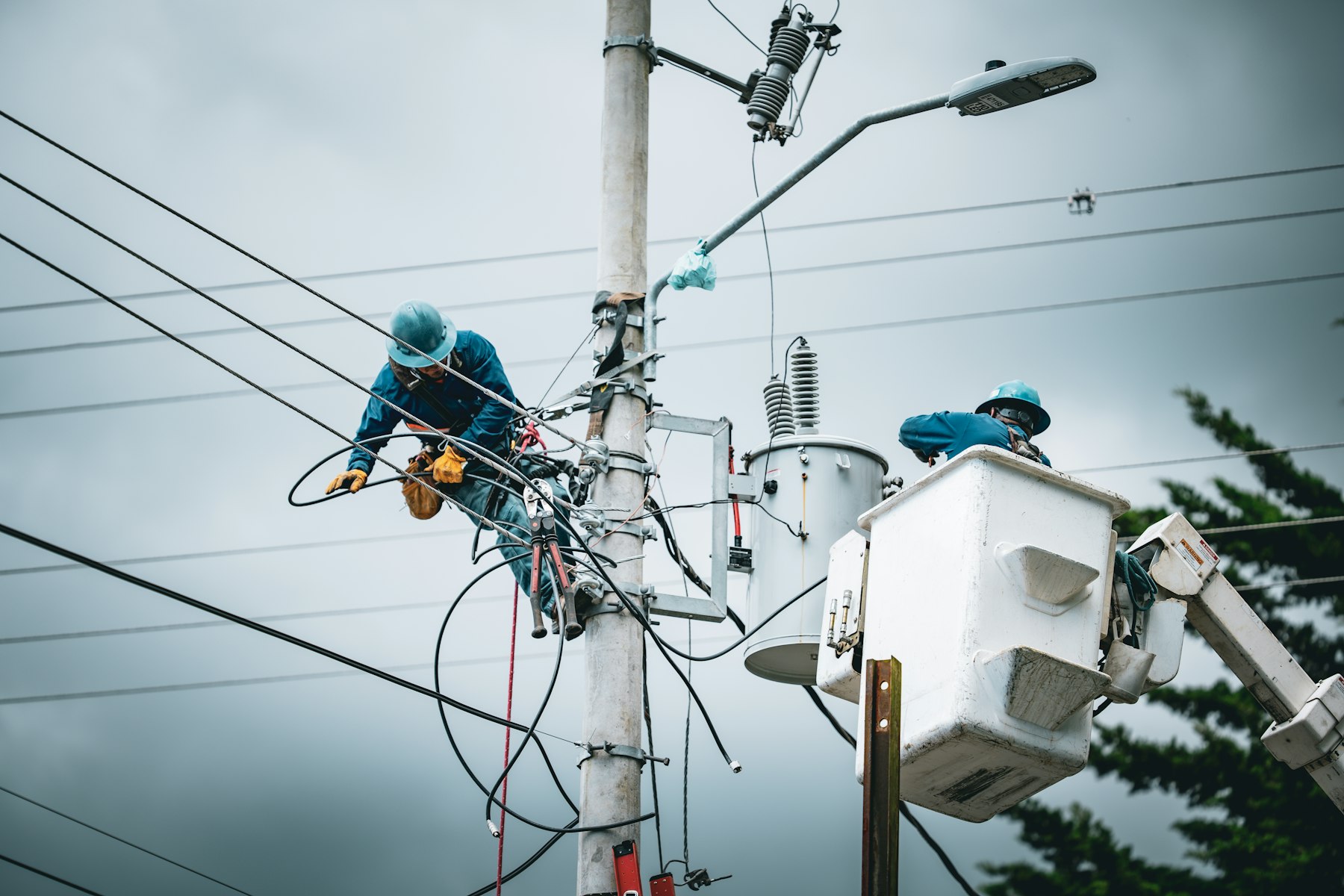
Strand, lash, and overlash built to NESC clearance.
Aerial is the fastest way to get fiber in the air and the easiest place to create a decade of problems. Sag out of tolerance, a bond that was never made, a clearance violation over a driveway — none of it shows up on the day, all of it shows up later when the pole owner audits or a truck catches a low span.
ConLit builds aerial plant to the standard the pole owner will actually inspect against, and documents it so the audit is a formality rather than a rework order.
Request a Bid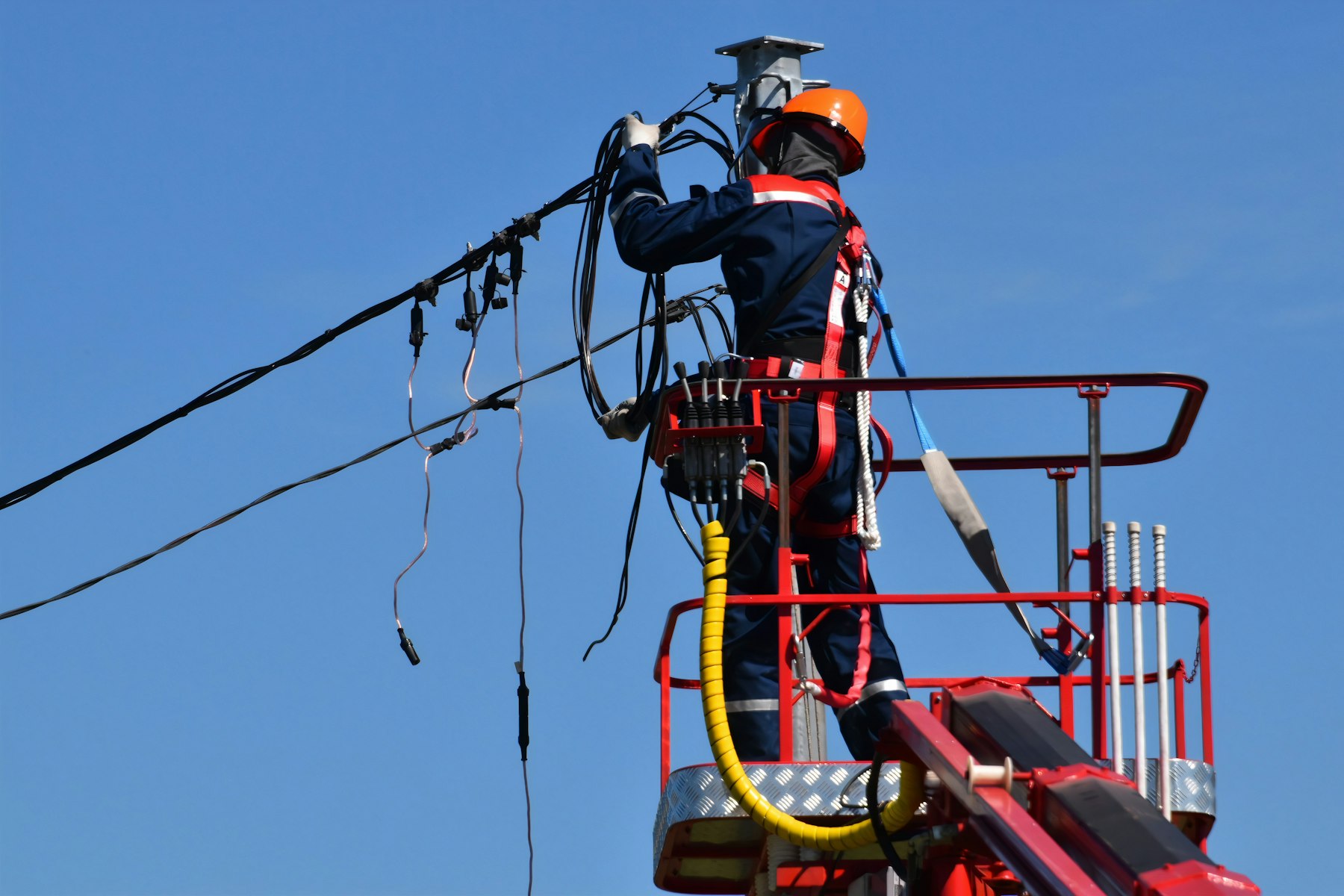
Messenger placement, tensioning to spec sag, and lashing in single or double pass.
Down guys, anchors, standoff brackets, and framing on new or existing poles.
Field survey, pole loading input, and coordination with the pole owner and other attachers.
Adding capacity to existing plant without a second messenger, including loading verification.
Continuous bond throughout, verified — the item that fails audits more than any other.
Spans built to NESC vertical and horizontal clearance over roads, drives, and structures.
We walk the run before we quote it. Pole condition, existing attachments, and access problems get found now, not on mobilisation day.
Applications, pole loading data, and scheduling around the other attachers on the pole.
Strand set and tensioned, cable lashed, slack stored at the structures where you will actually need it.
Every structure bonded and tagged, GPS as-built captured, package delivered with the invoice.
We handle the coordination and the field work, and we support the engineering. Whether ConLit or your engineering firm produces the pole loading calculations is your call — we work either way.
Yes, with the pole owner’s approval and a loading check. Overlash is often the cheapest path to added capacity, but it is not automatic — the existing messenger has to carry it.
We build them, and we handle the permit packages. Lead times on railroad crossings are long, so flag them as early as possible.
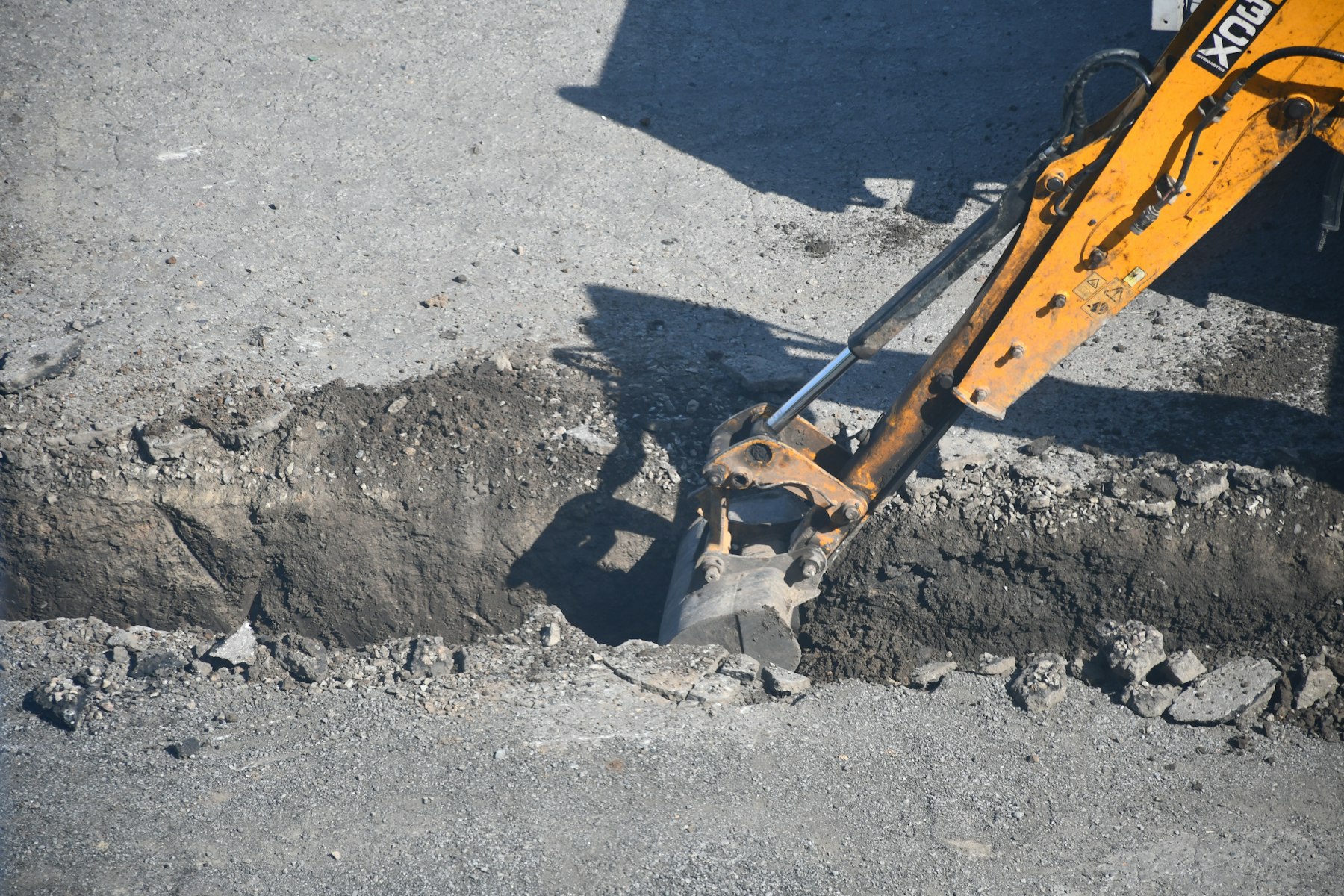
Road crossings, conduit, and restoration the owner never calls about.
Learn More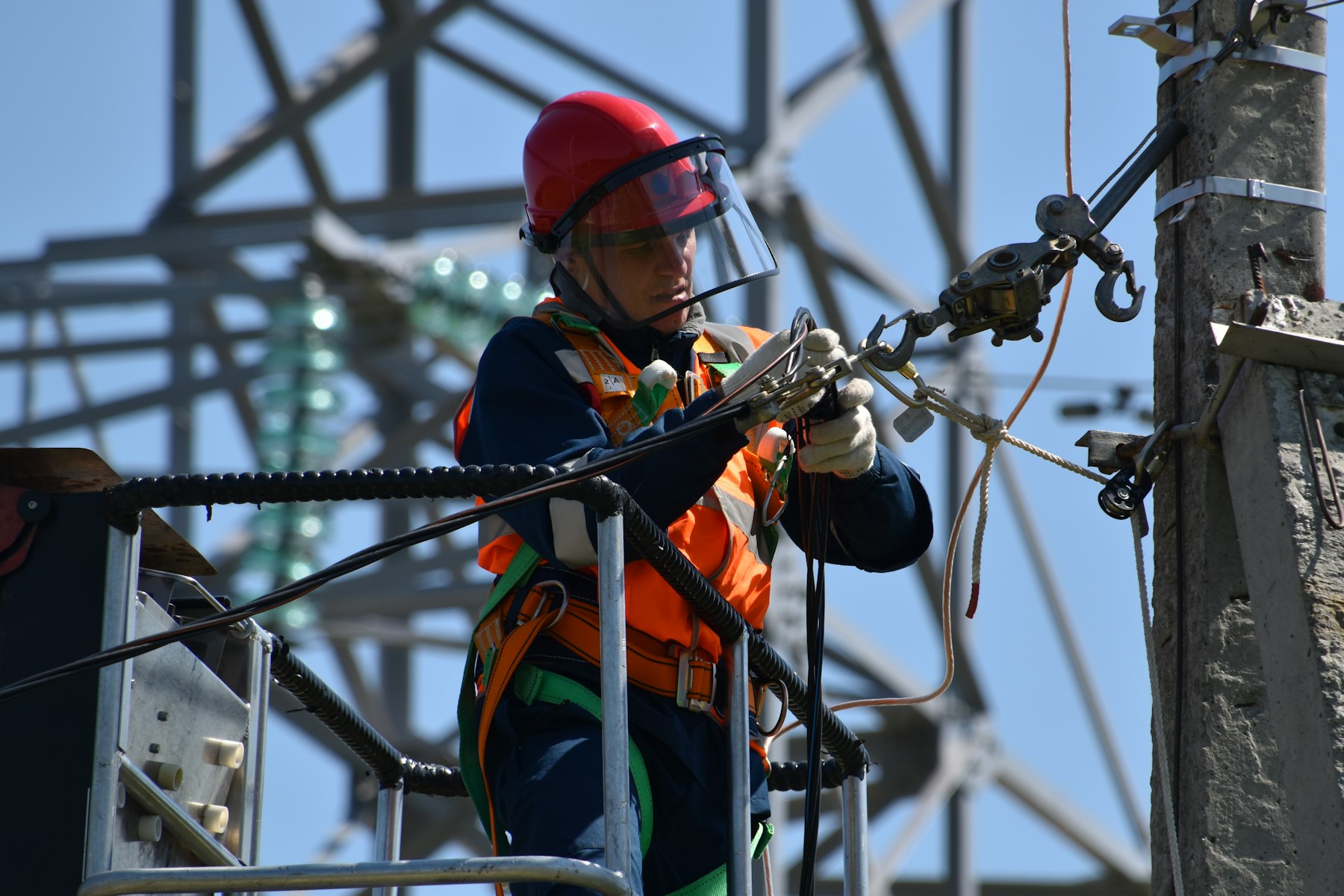
Fusion splicing, OTDR traces, and as-builts you can hand to the carrier.
Learn More
Route design, permit packages, and locating before the dig.
Learn More
Route miles, location, timeline. We will come back with a real number and a real schedule — not a range and a maybe.