
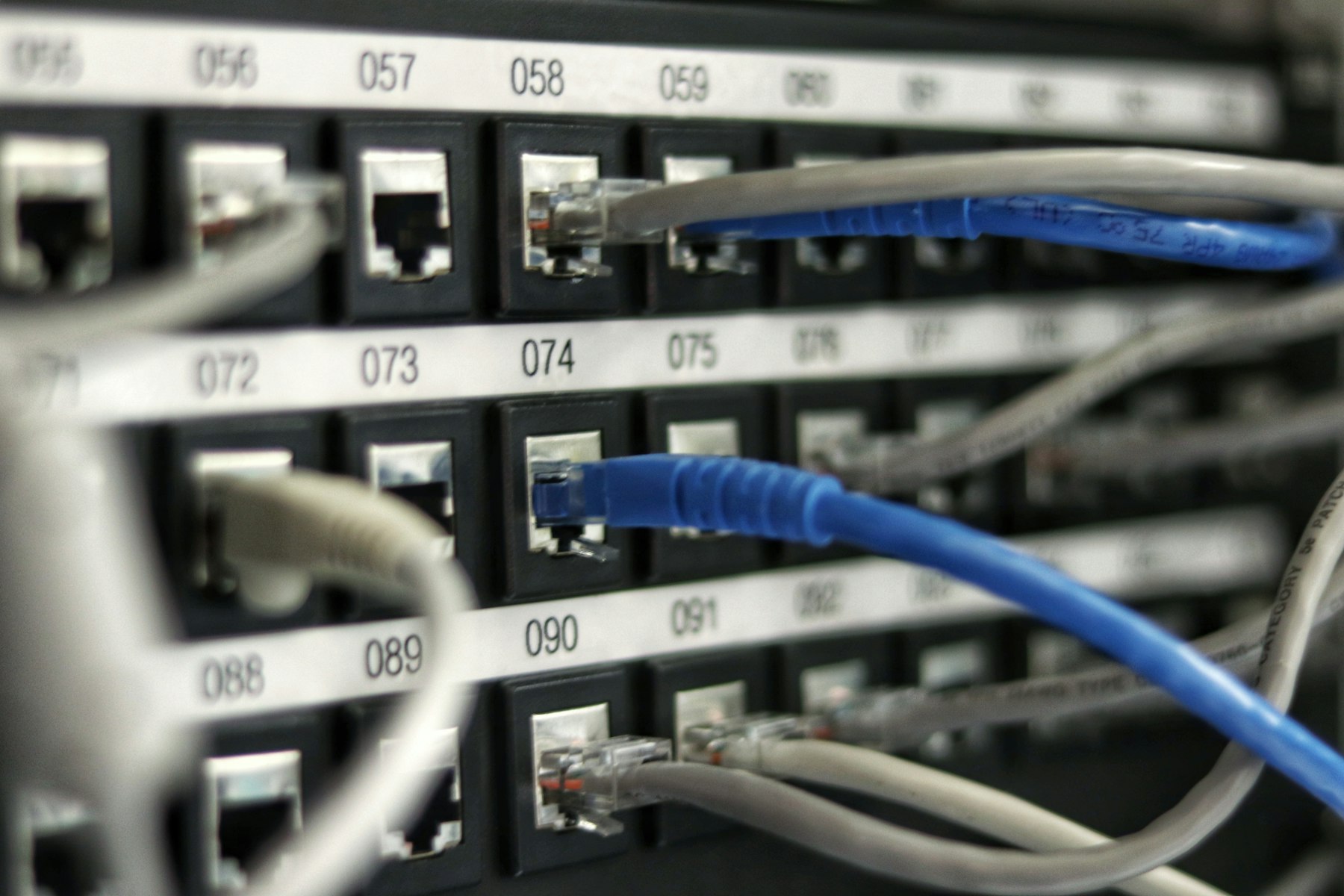
Route design, permit packages, and locating before the dig.
Most of what goes wrong in a fiber build was decided before anyone mobilised. A route that assumed a pole could carry another attachment. A permit that took nine weeks instead of three. A bore path drawn across a gas main nobody located.
ConLit does the engineering and the field verification together, which means the design reflects what is actually on the ground rather than what the records claim.
Request a Bid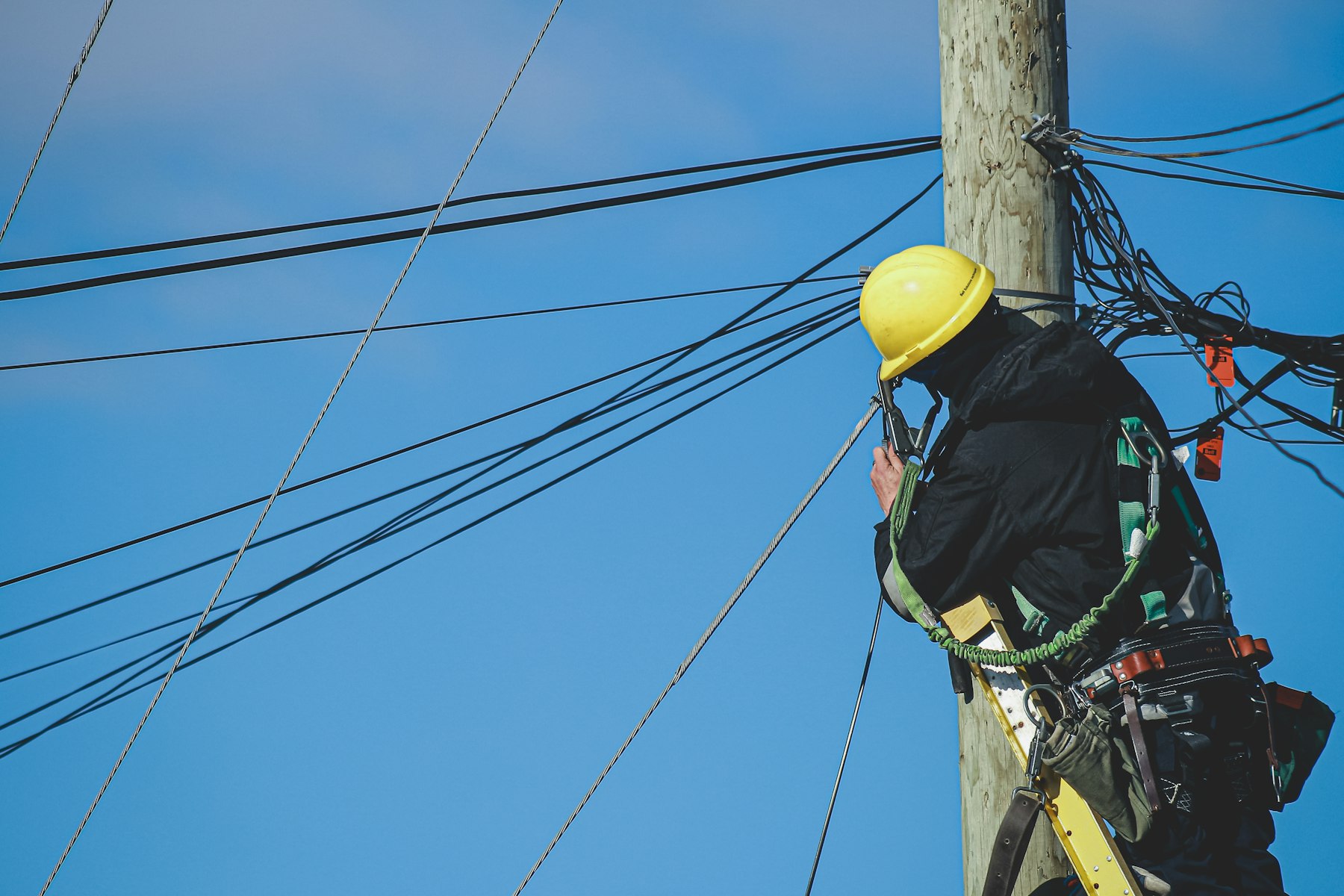
Physical survey of the proposed path — pole condition, existing attachments, access, and obstacles.
Attachment assessment and the data package the pole owner needs to approve the application.
DOT, county, municipal, and railroad submissions prepared and tracked to approval.
Locating the lines the one-call system will not mark — private services, site distribution, abandoned plant.
Sub-metre capture of what was actually built, delivered in the format your system ingests.
A second set of eyes on someone else’s design before it becomes your construction problem.
Records, aerials, and existing plant data assembled before anyone drives the route.
The walk. This is where the desktop assumptions get corrected — and where most cost is saved.
Route finalised, packages submitted, and approvals tracked so the schedule reflects real lead times.
Post-construction GPS capture reconciled against the design, with deltas flagged rather than quietly absorbed.
Yes. Engineering-only is a normal engagement, and there is no obligation to use us for construction.
The 811 one-call system only marks utility-owned facilities. Anything past the meter — site lighting, irrigation, private gas, campus distribution — is unmarked. Those are the strikes nobody budgets for.
County and municipal are typically two to six weeks. State DOT runs longer. Railroad crossings can run months and should be identified at the very start of a project.
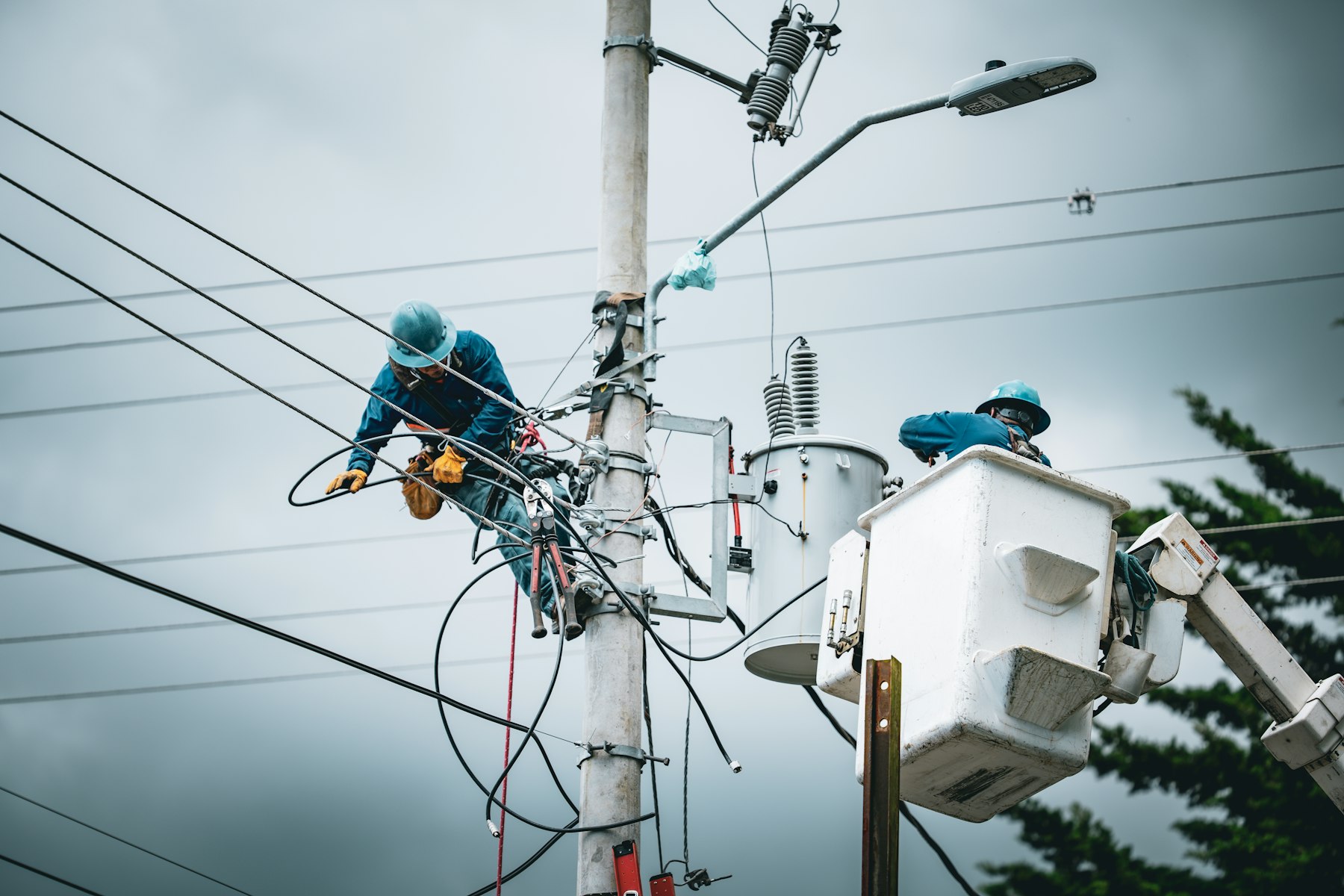
Strand, lash, and overlash built to NESC clearance.
Learn More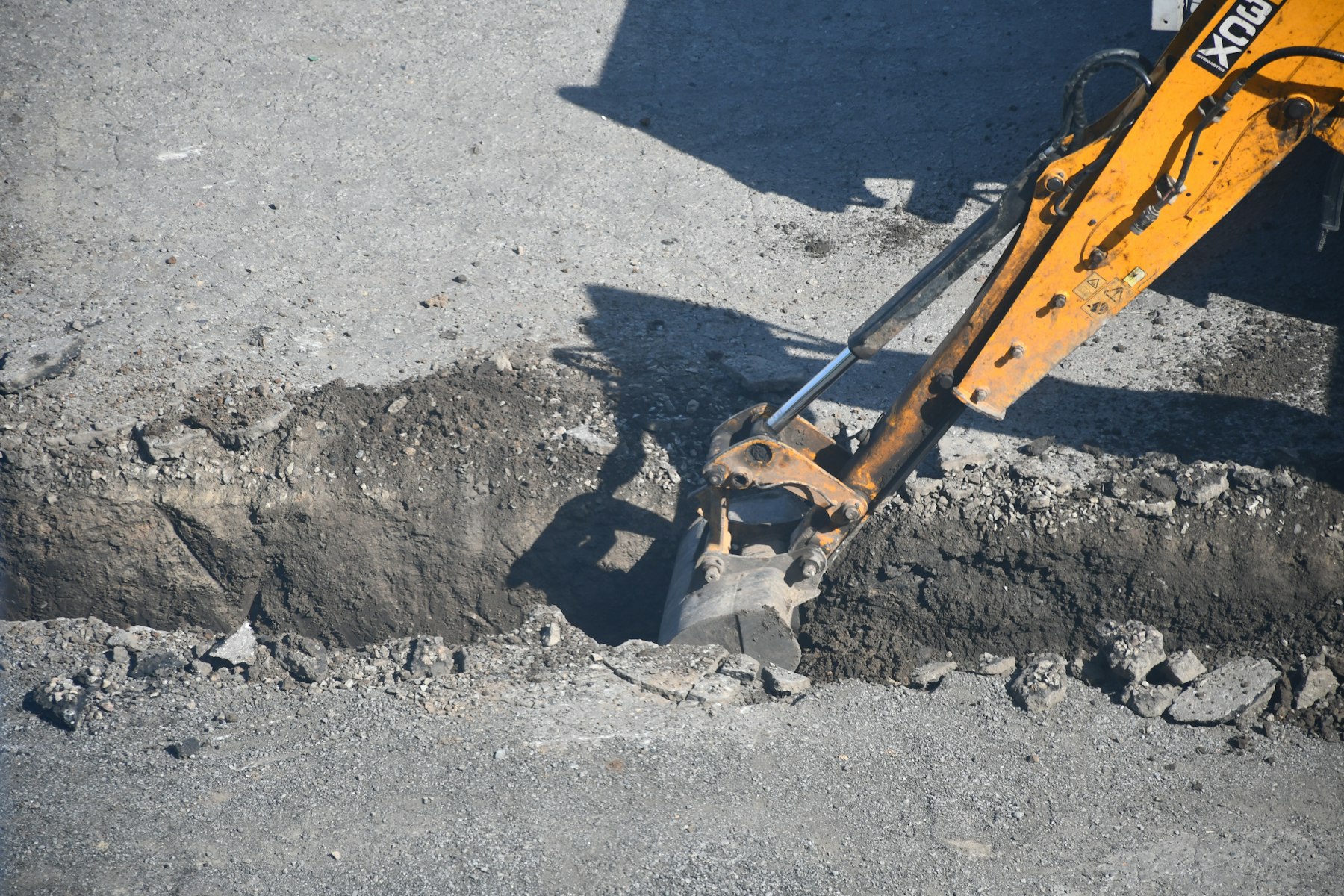
Road crossings, conduit, and restoration the owner never calls about.
Learn More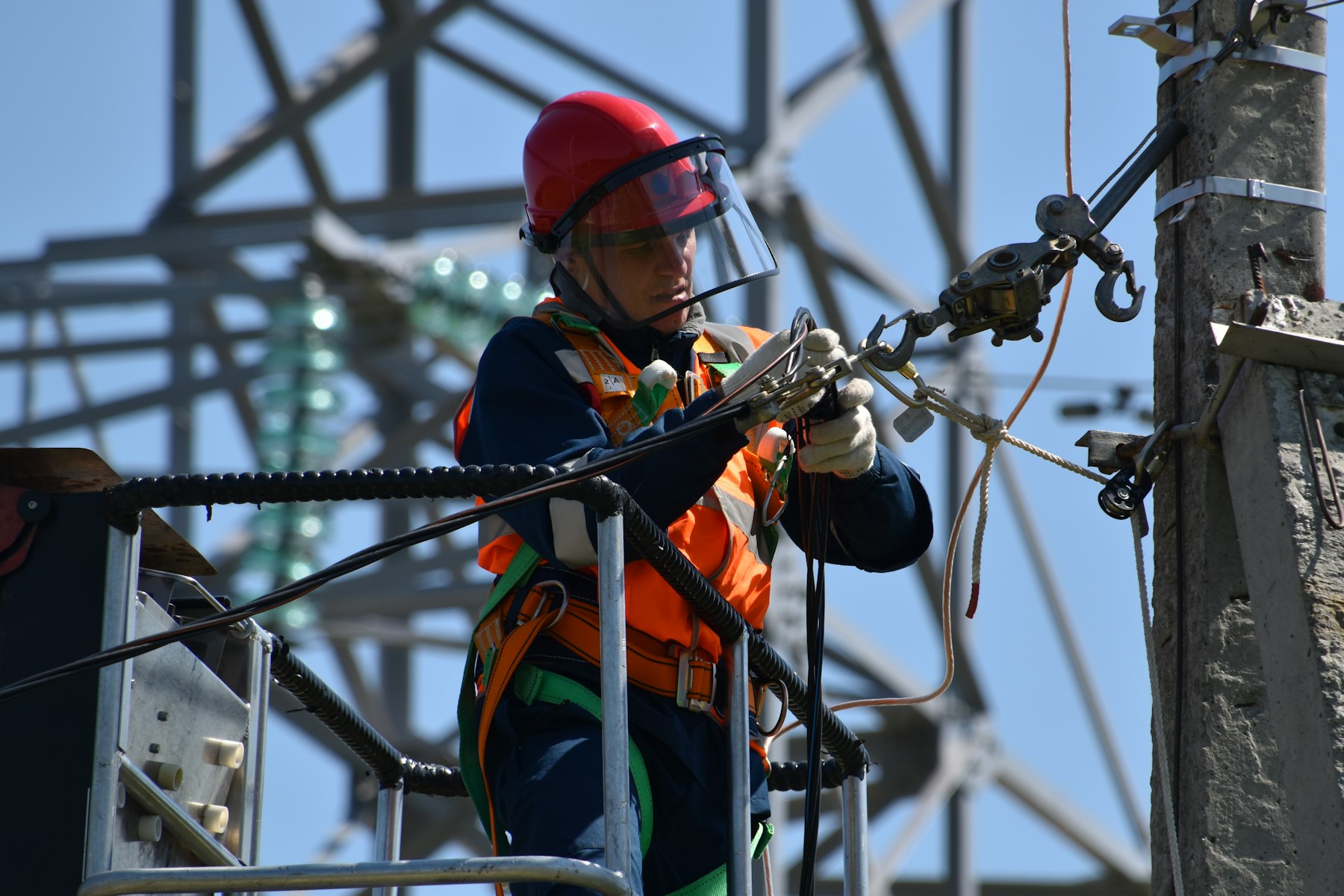
Fusion splicing, OTDR traces, and as-builts you can hand to the carrier.
Learn More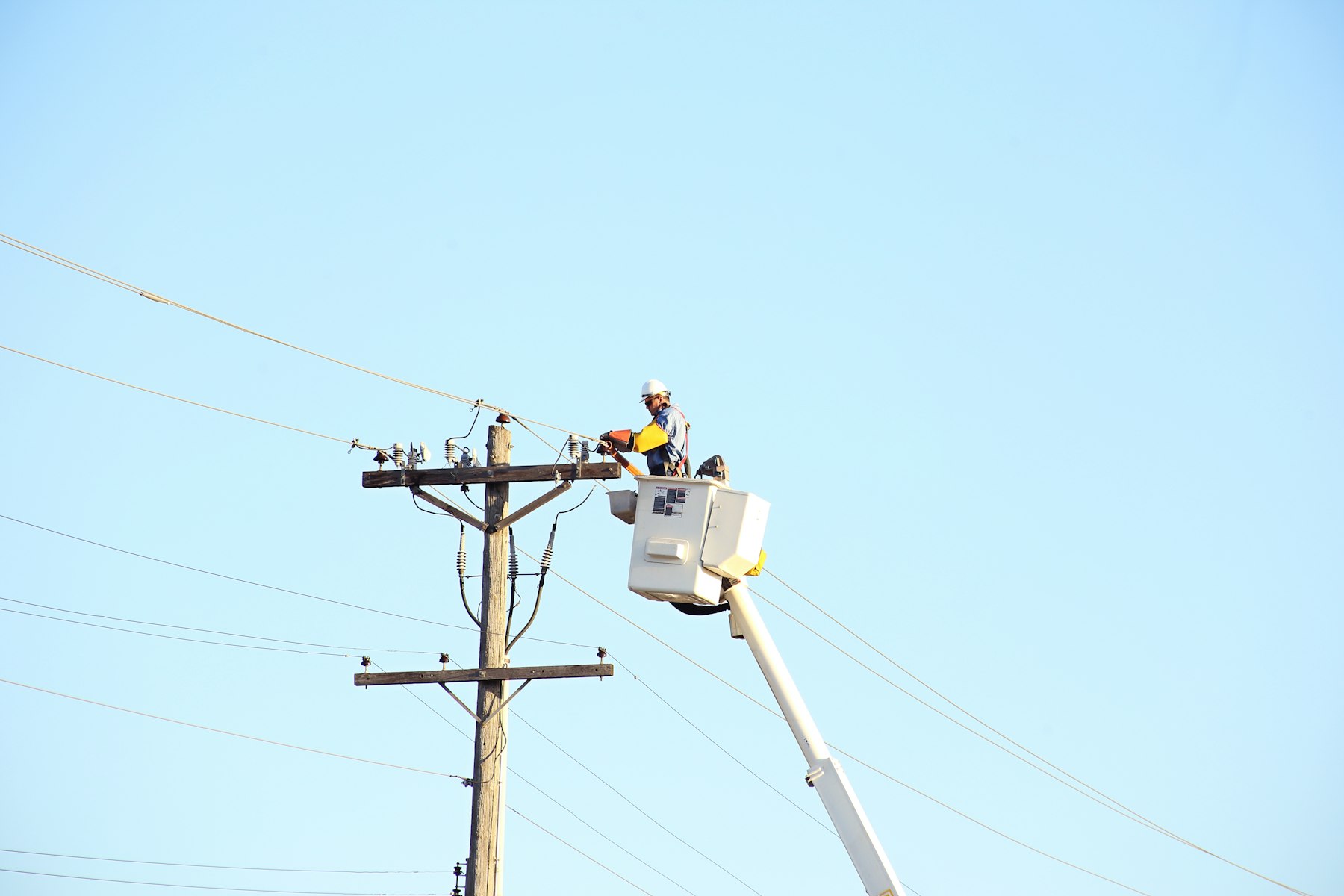
Route miles, location, timeline. We will come back with a real number and a real schedule — not a range and a maybe.